.jpg)

The time has come. As a first-time buyer, you have your deposit saved up, you’ve got your eye on the perfect home, and all you need now is to get a mortgage to help you afford it.
With so many options out there, choosing the right mortgage to suit your specific needs can quickly become an overwhelming task.
That’s why we decided to use our expertise as a trusted homebuilder to put together a mortgage guide for first-time buyers to help you navigate it all and ultimately make the right decision to finally get on the property ladder.
How much of a deposit is needed as a first-time buyer?
This mainly comes down to the price of a property, as well as the mortgage deal you choose, but the minimum deposit required for a mortgage is usually somewhere between 5-10%.
To put that in context, let’s say the house you are looking to buy costs £300,000. This means that to put down a 5% deposit, you’d need to save £15,000, while you’d need £30,000 for a 10% deposit.
It’s a lot of money, but it’s worth remembering that the bigger the initial deposit, the likelier it is you’ll get a better initial interest rate on your mortgage, which also means lower monthly payments.
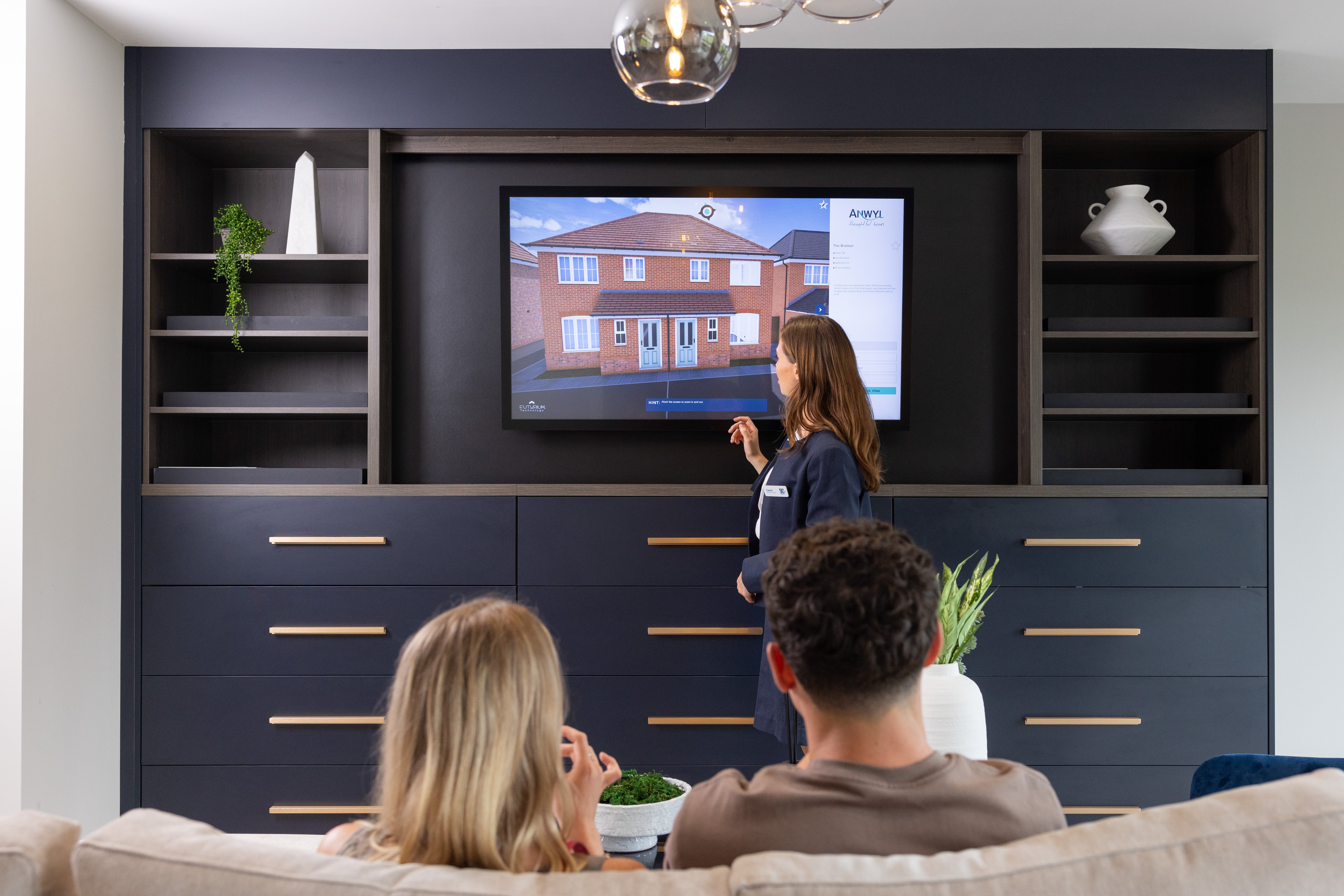
How to get a mortgage as a first-time buyer?
Wondering how to get a mortgage as a first-time buyer? While we would like to tell you there’s a secret way of doing so, the process is the same as for anyone else:
- Speak to an Independent Financial Advisor or Mortgage Advisor
- Get a mortgage in principle
- Explore and compare what various mortgage lenders have to offer
- Choose the right package for you
- Get in touch with your chosen lender
- Undergo their affordability check and speak to them about next steps
What’s often different for first-time buyers is the mortgage products offered by lenders, as they tend to have a selection specifically tailored for people trying to get on the property ladder for the first time.
You could also choose to speak to a mortgage specialist, who will be able to do a lot of the hard work for you, giving you tailored advice along the way.
First-time buyer mortgage advisor: Should you speak to one?
First-time buyer mortgage advisors (or mortgage specialists) can be extremely useful for anyone wanting to explore all options on the table.
They will initially assess your finances and give you a rough idea of how much you can borrow, which is always a great place to start!
Their next step will be to analyse the entire mortgage market, where they will look at first-time buyer mortgage packages to see if there are any special products that could either help you borrow more (if needed) or get tailored first-time buyer mortgage rates.
An extra benefit of contacting a first-time buyer mortgage advisor is their ability to access exclusive mortgage deals that aren’t available on the high street.
Do Anwyl offer first-time buyer mortgage advice?
While we can’t give you mortgage advice directly, we can put you in touch with an Independent Financial Advisor (IFA).
These offer a slightly different service to mortgage specialists, as they take a broader look at your finances, rather than solely focusing on finding the best way to help you secure a mortgage.
They can, for example, help you create a specific financial plan for your needs, ensuring you have considered every cost of the property purchase.
An IFA will also look at your current spending and take on board any long-term goals you might have to help you plan accordingly, as well as be able to give you mortgage advice, as they will also be up to date with the latest trends and offers on the market.
If this is a service you’re interested in, we have plenty of Independent Financial Advisors we can recommend. Simply contact one of our Home Advisers, who will provide you with all the details you need.

Do I need a mortgage in principle as a first-time buyer?
In very simple terms, yes. Anyone wanting to buy a house with a mortgage, whether they are a first-time buyer or already own multiple properties, will need a mortgage in principle.
This is a preliminary assessment of your income, credit history, and financial circumstances, which gives you a clear budget when house-hunting and shows sellers or estate agents that you are a serious and potentially eligible buyer
Once complete, the lender can then loosely determine whether you can borrow your required amount, who will then provide you with a mortgage in principle document, typically valid for up to 90 days.
Getting one is simple, and can take as little as 10-15 minutes, with most lenders now allowing you to do it online.
It’s worth noting that a mortgage in principle isn’t a formal mortgage offer and won’t guarantee your ability to borrow that amount. It is, however, an early step in the purchase process to show you’re more than likely in a financial position to afford the house.
What are the best first-time buyer mortgages?
Since the mortgage market is constantly changing, we’re unable to directly list the best first-time buyer mortgages currently on offer.
Lenders tend to tweak their products on a regular basis, and a lot will also depend on your own personal circumstances, so a product that might be right for one person may not necessarily be right for you.
That’s why we recommend doing your own research or contacting a specialist to find the best first-time buyer mortgage for your needs.
However, if you need a starting point, we do work in partnership with Own New, who offer the Own New Rate Reducer scheme, specifically designed to offer lower mortgage rates and reduced monthly payments for people buying new build homes.
Can you get a no deposit mortgage as a first-time buyer?
Yes, there are several lenders who offer mortgages for first-time buyers who don’t have a deposit.
However, we must point out that these no deposit mortgages tend to come with very strict affordability criteria, as the lender will want to ensure you can afford your monthly payments.
For example, these could be checked against your current rent (if you are renting), meaning that if you are currently paying your rent without issues, and your monthly repayments are of a similar amount, you should pass their check.
Conclusion
We hope our mortgage guide for first-time buyers has been helpful, but if you have any further questions, please feel free to contact one of our Homes Advisers, who will be more than happy to point you in the right direction.
Homebuyer advice
See more


-1.png)